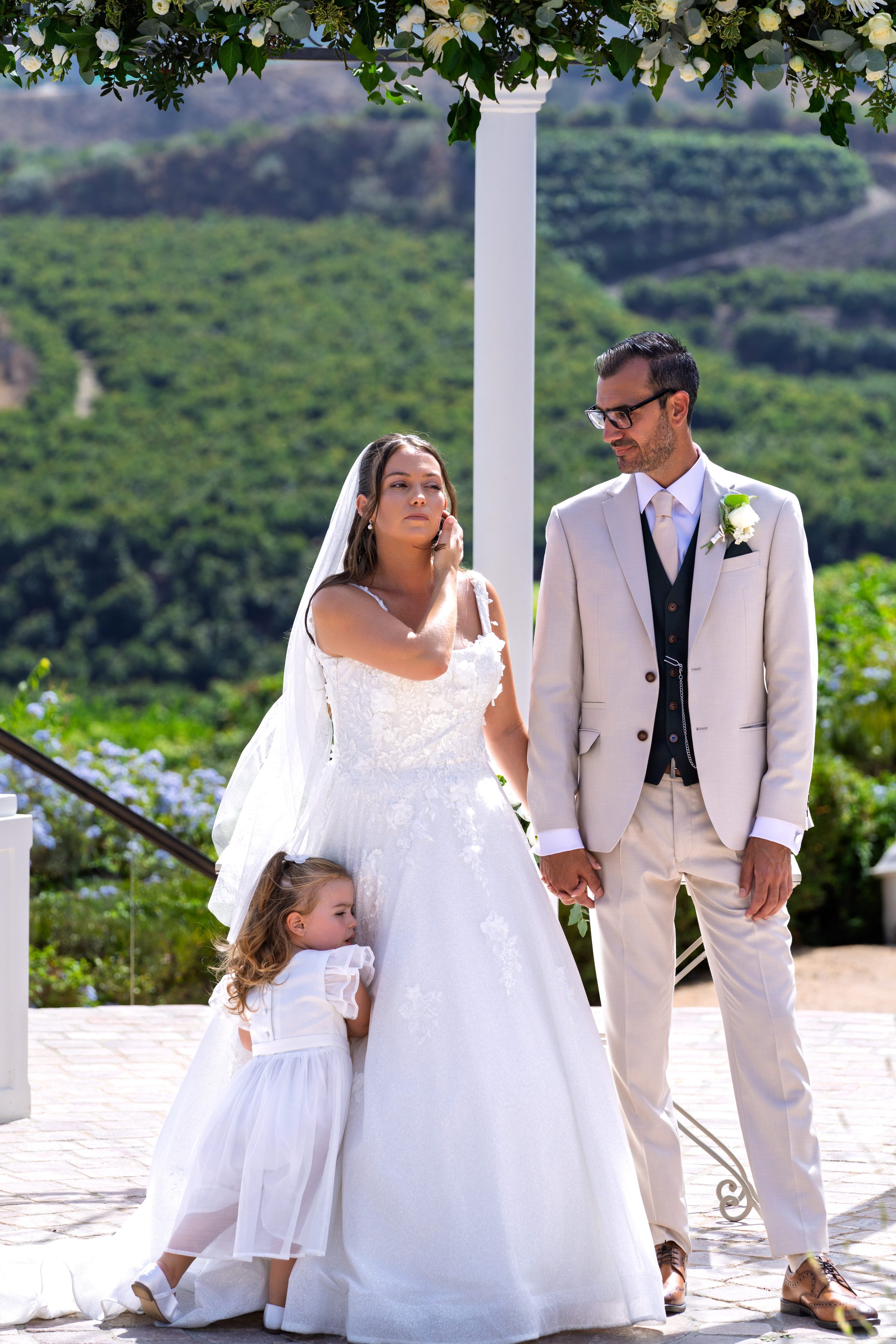
My favourite photo spots between Nerja and Salobreña
I live in La Herradura and photograph along this coast all year. These are the places I keep coming back to — each with its own look, its own best hour and its own small catch.
I live in La Herradura and photograph along this coast all year. These are the places I keep coming back to — each with its own look, its own best hour and its own small catch.
White steps winding up through the village, pebble-mosaic lanes, and viewpoints that look out over the whole valley. The road up from Nerja and back down is an experience in itself. The catch: Frigiliana is always busy and parking is hard to find, so allow extra time. See my Frigiliana page.
The ruins of the San Joaquín sugar factory, founded in 1879: warehouses, arches, empty window frames and a tall brick chimney against the sky. Colourful graffiti and dry grass give it a completely different mood from the white villages — great for portraits with character. It is an abandoned site with uneven ground, so wear sensible shoes and stay away from anything that looks unsafe.
A few minutes away, in the ravine just outside Maro: a 19th-century aqueduct with tiers of red brick arches, built to carry water to that same sugar factory. Photographed from the bridge across the ravine, with the cliffs and green slopes around, it makes a striking background. Combine the factory, the aqueduct and Maro itself in one session.
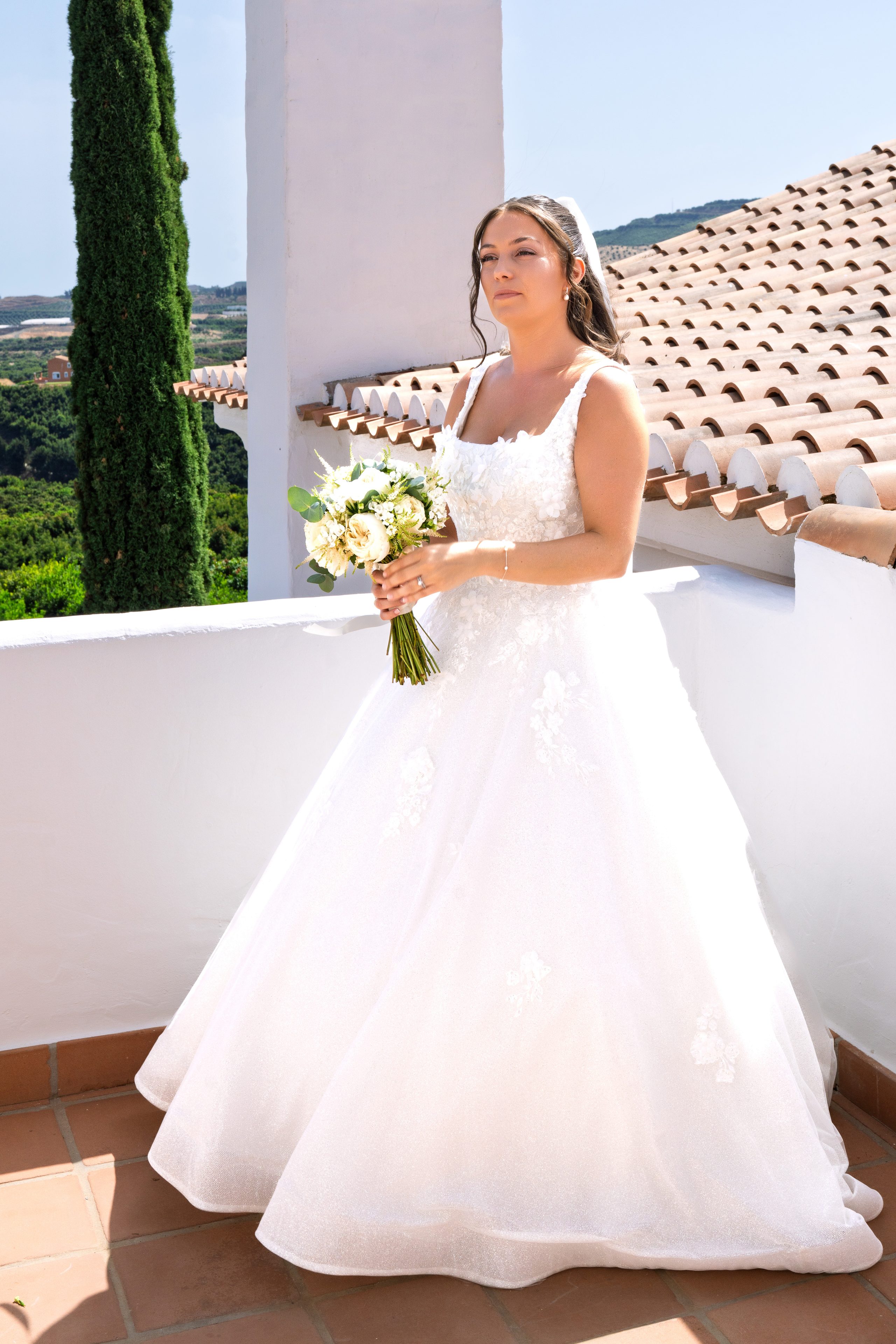
Nerja’s famous viewpoint over the sea is full of people from mid-morning until late at night. Come at sunrise and you can have it almost to yourself, with soft light over the water.
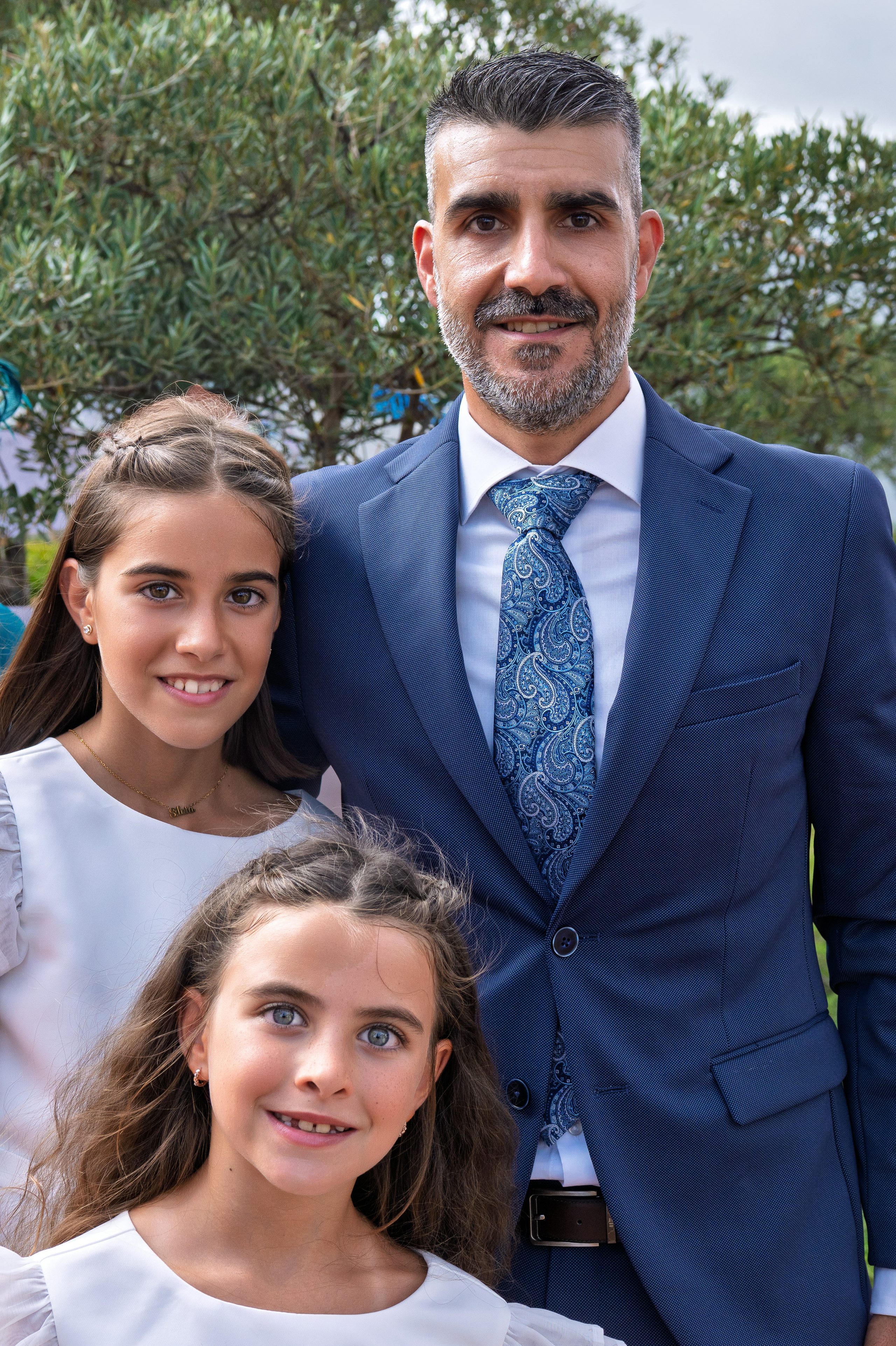
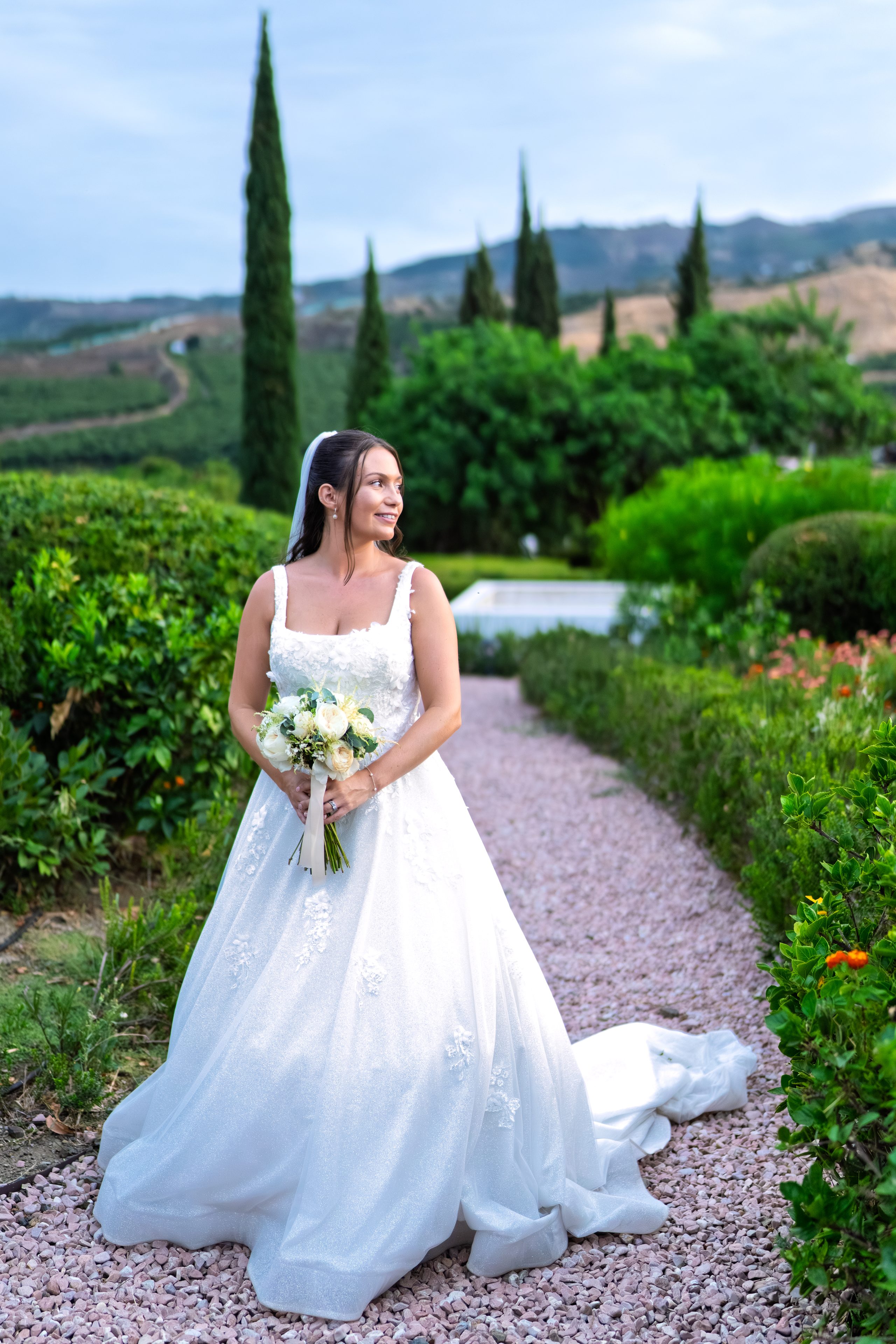
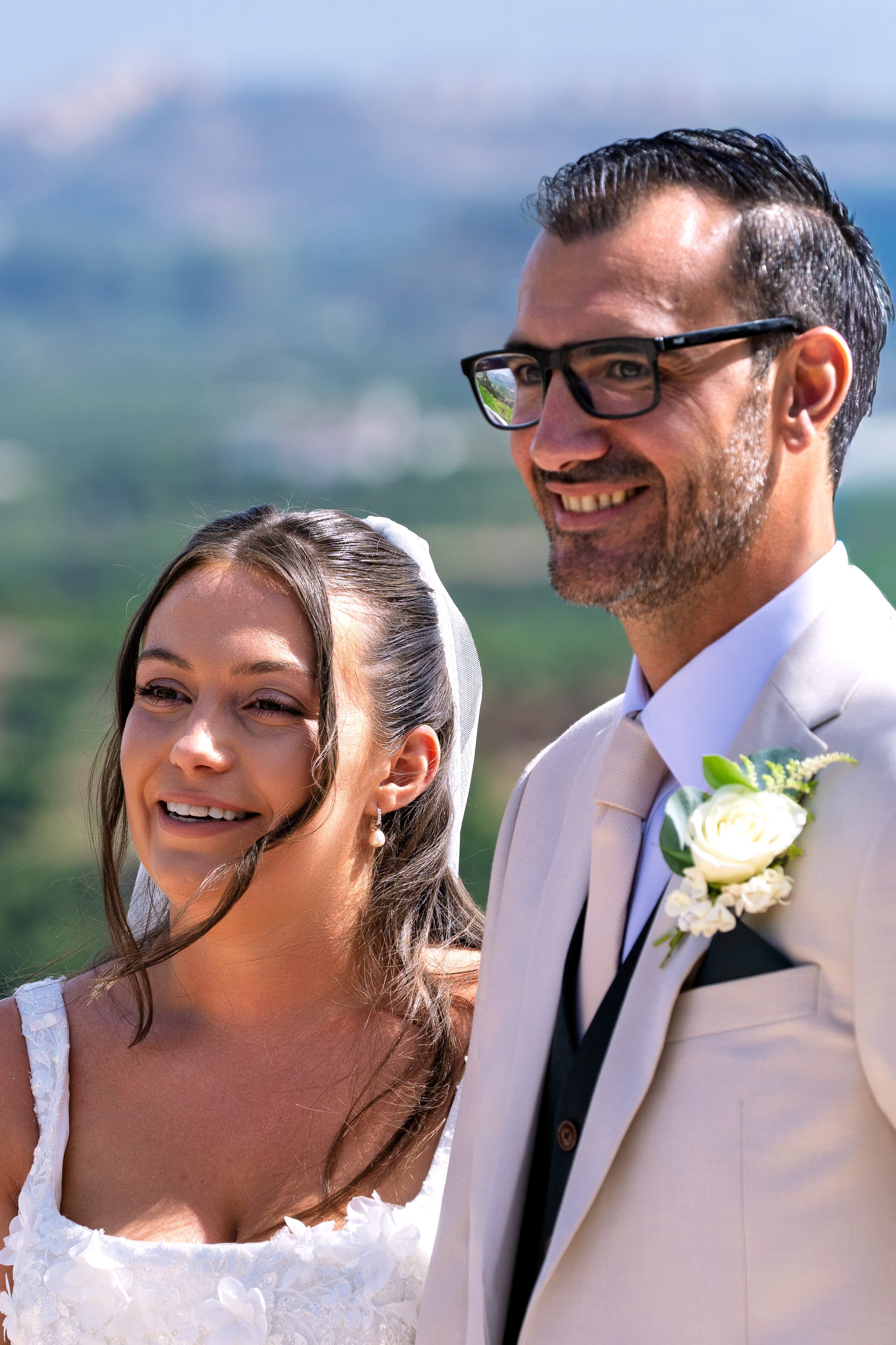
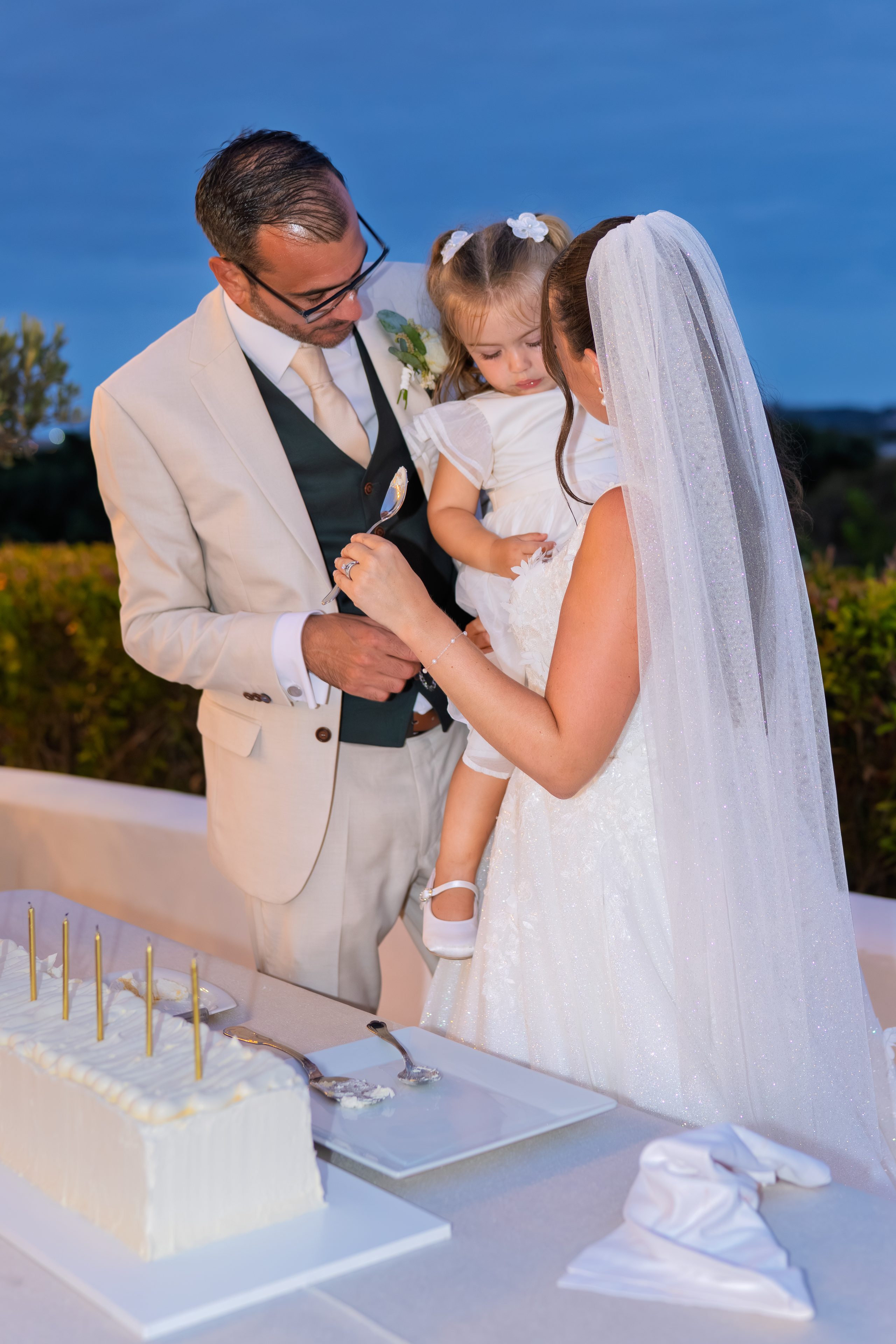
Between La Herradura and Maro, the Cerro Gordo headland has a watchtower and a viewpoint over the whole bay of La Herradura. Beata and I were married here, at Attrévete Cerro Gordo — see our wedding album. Below it lie the wild coves of Cantarriján and El Cañuelo; see beach weddings on the Costa Tropical.
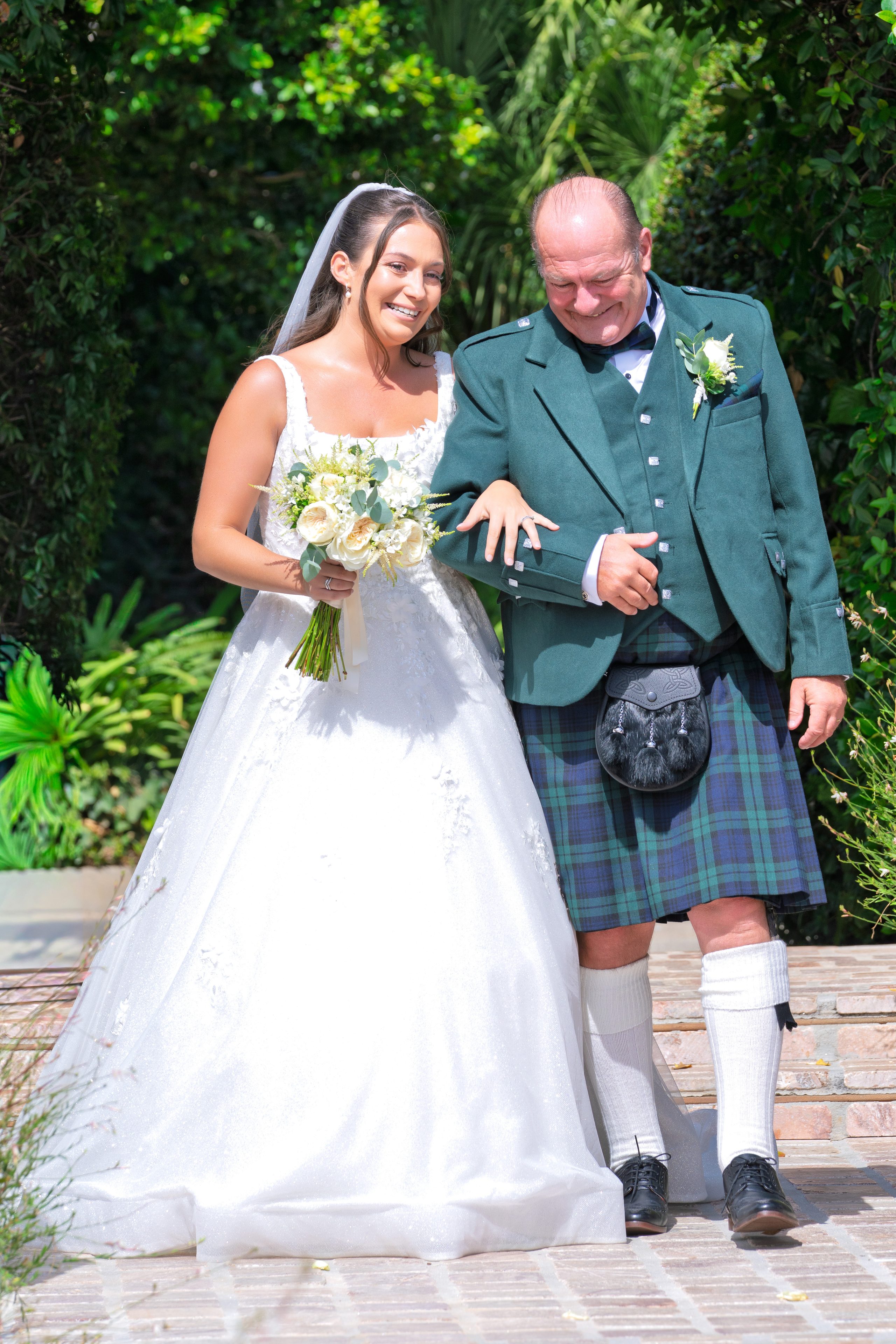
On the other side of La Herradura bay, the Punta de la Mona lighthouse looks out over Almuñécar and La Herradura, and the little chapel above Marina del Este has pine trees and a quiet terrace. Both are at their best in the last hour of daylight.
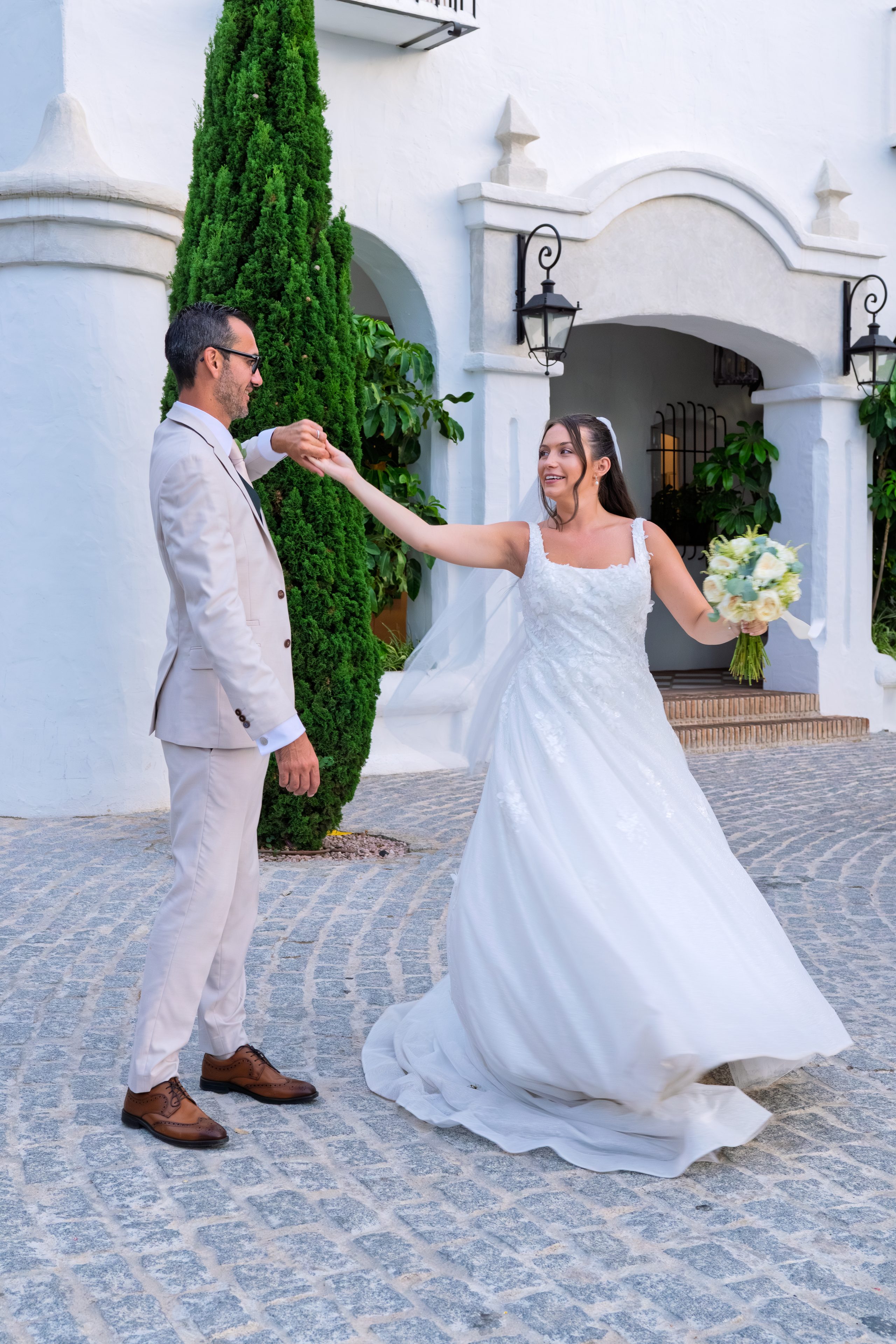
My home. The horseshoe bay, the pebble beach and the promenade, with the hills behind. Evenings outside July and August are calm and golden.
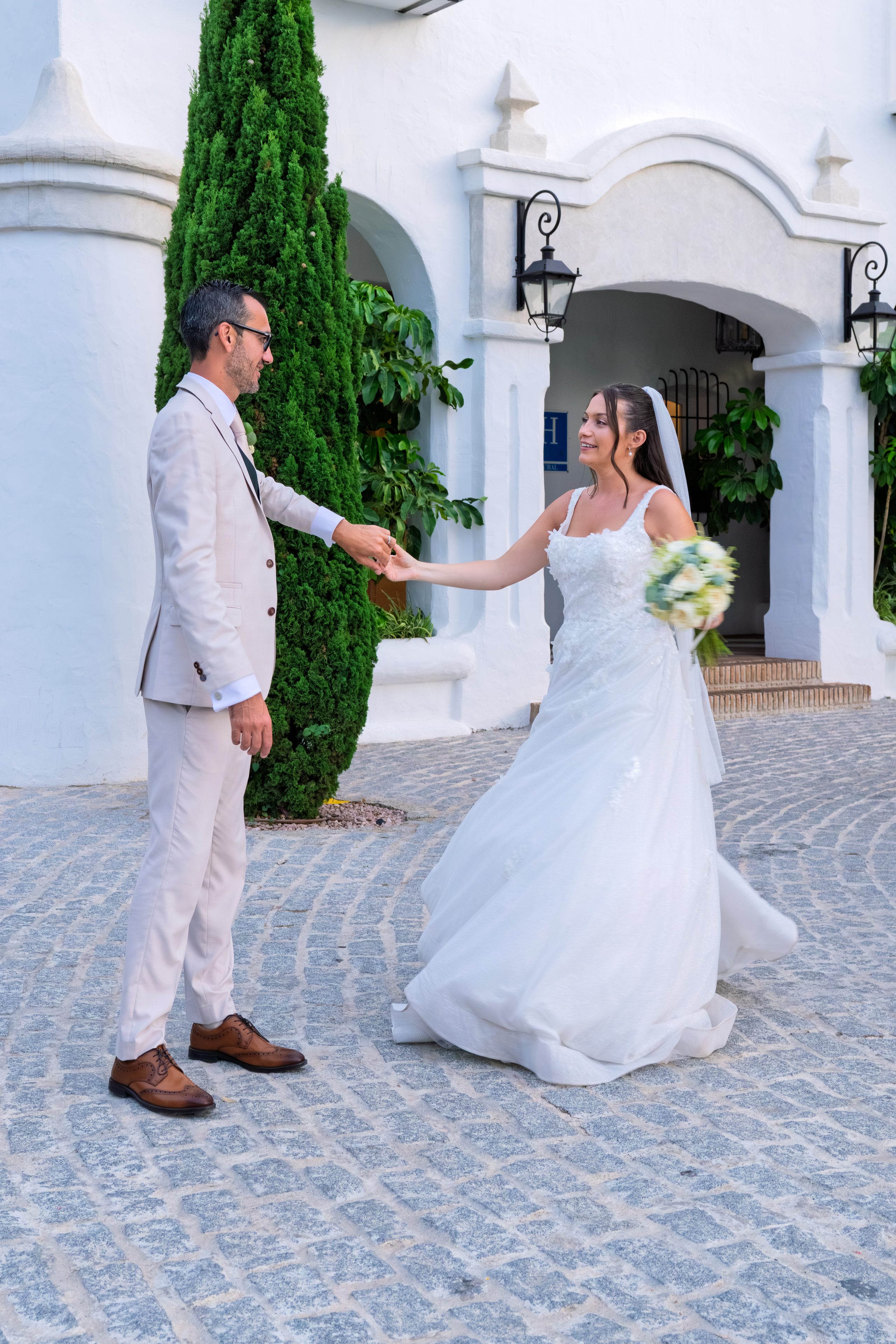
The old coast road winds along the cliffs with views down to the sea. A few safe places to pull over make quick stops for rocky, wild-looking portraits.
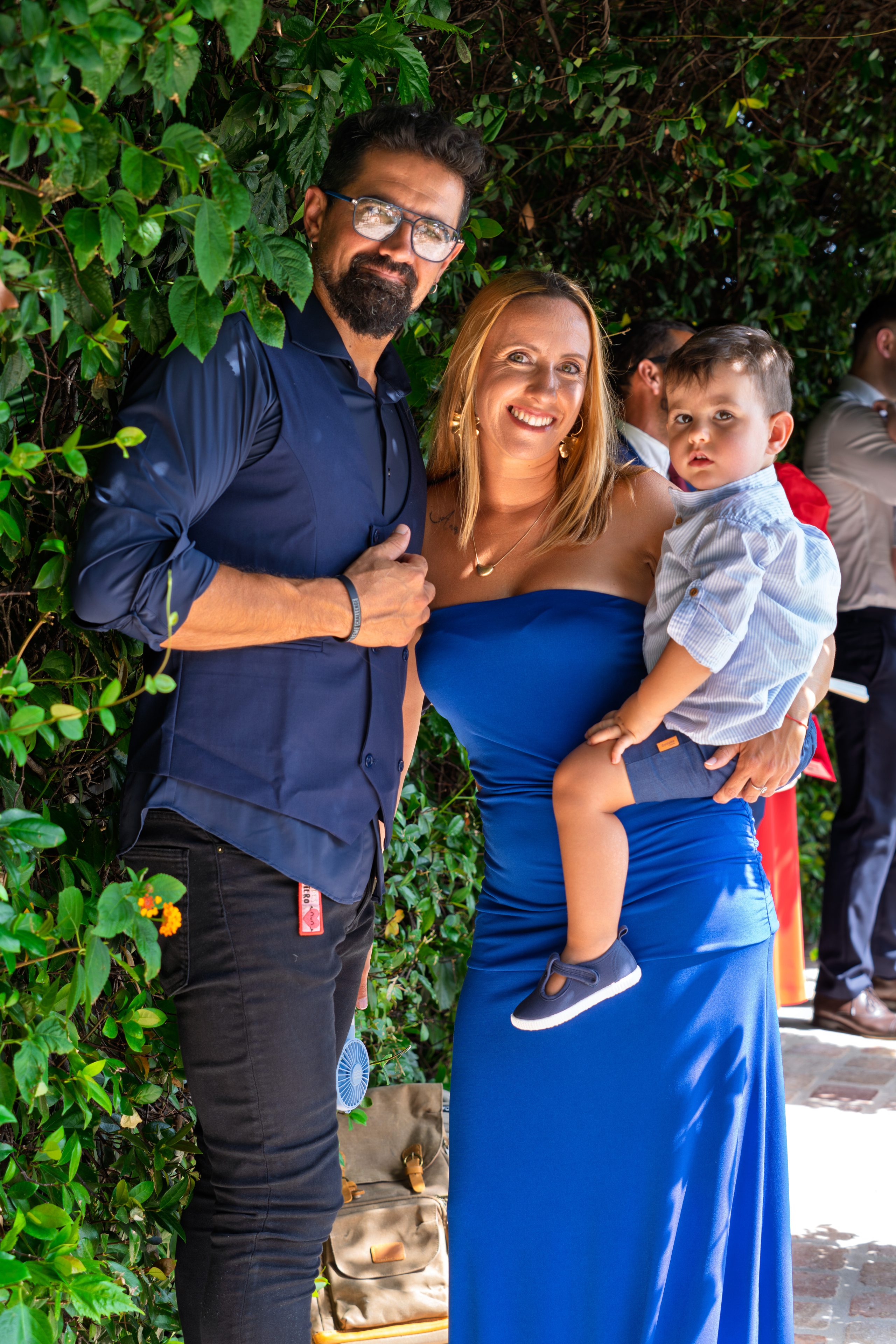
The white houses climb a rock topped by a castle, with long open beaches below. Good for a session that moves from the lanes to the sea.
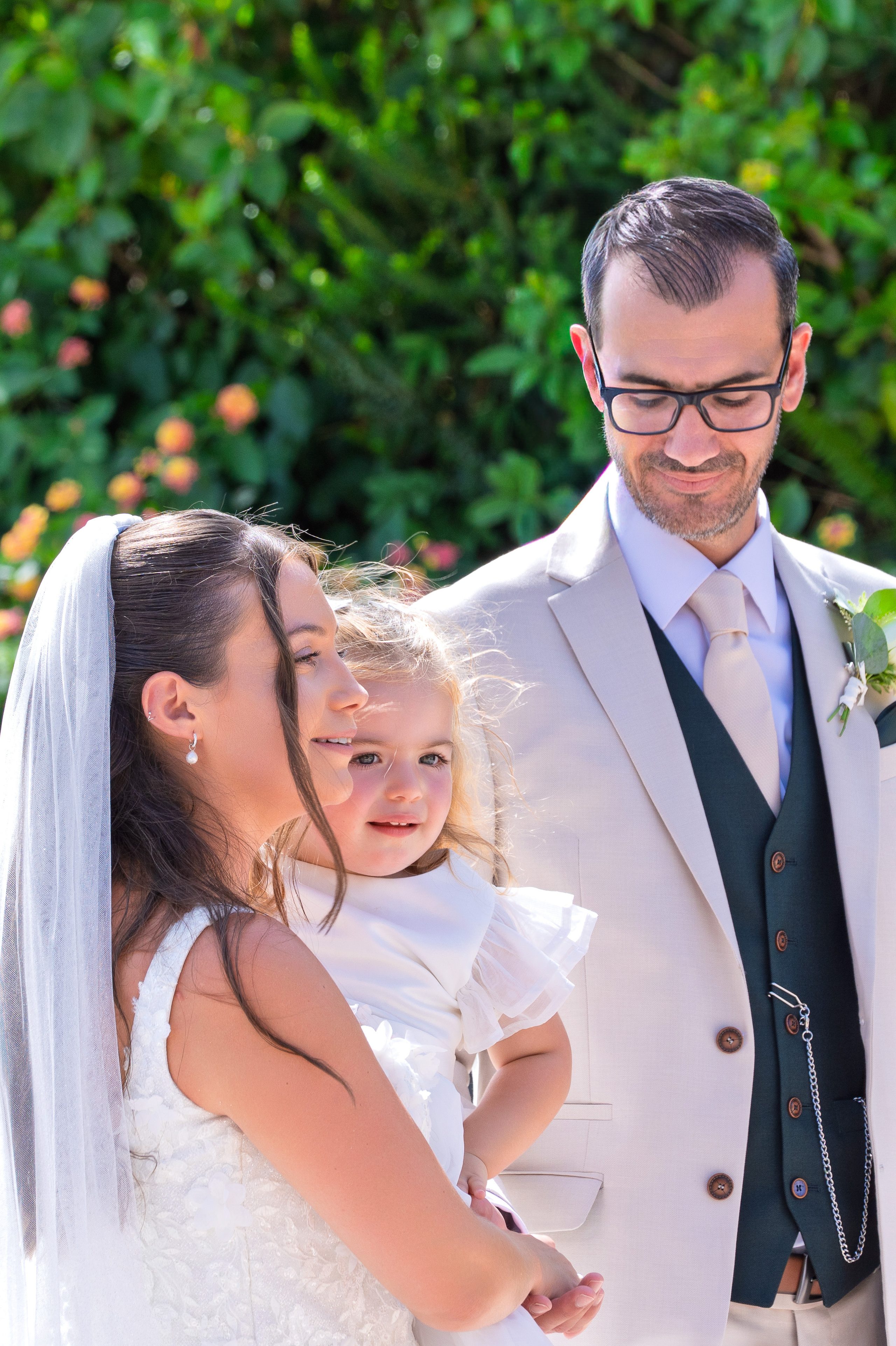
Up the road from Almuñécar towards Granada, Otívar swaps the coast for green hillsides and dappled light — an easy change of scene in the same area.
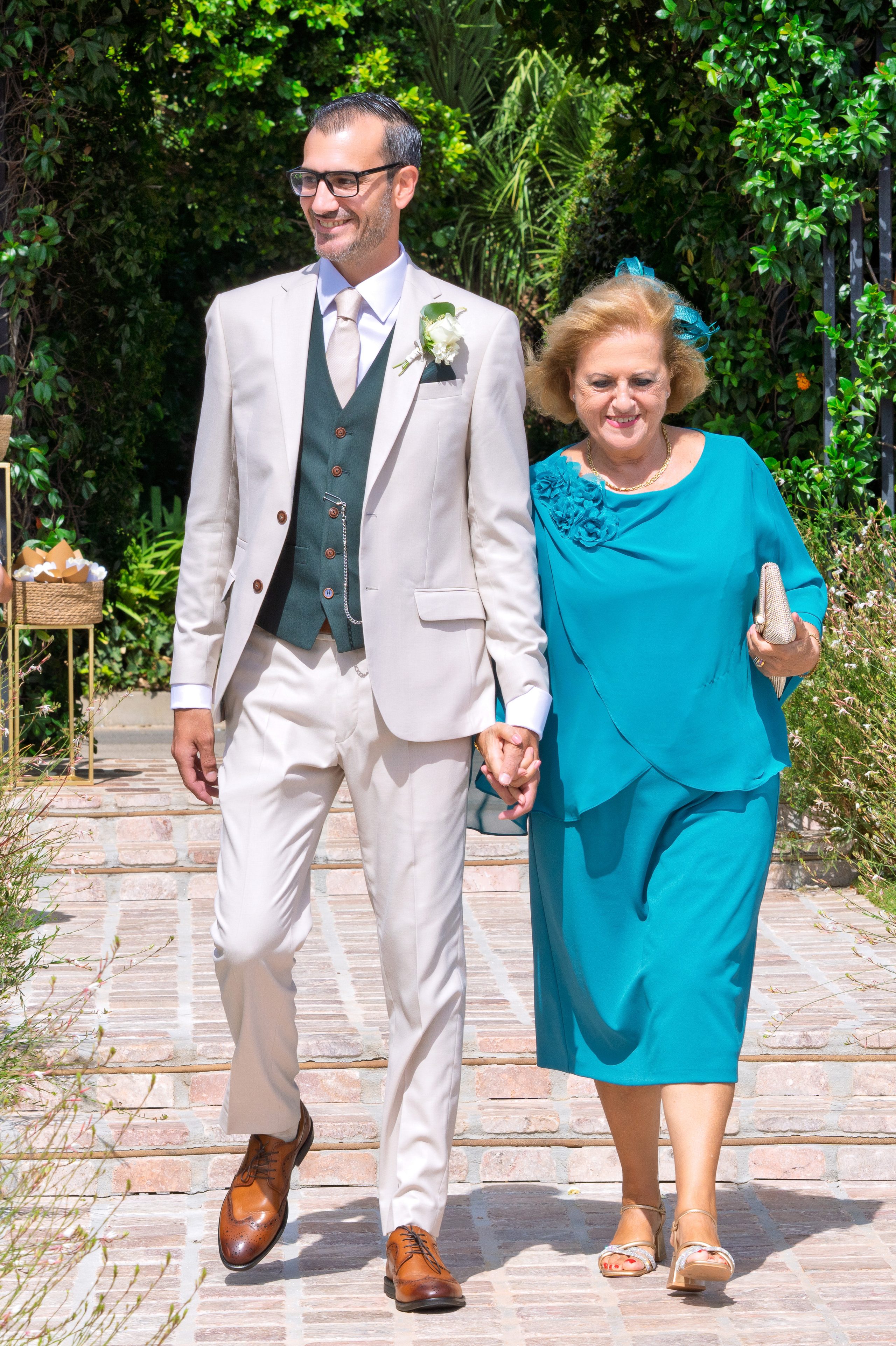
It depends on the look you want: white villages (Frigiliana), the sea and cliffs (the Balcón de Europa, Cerro Gordo, Maro), or something raw (the old sugar factory in Maro).
At sunrise, before the crowds arrive.
Yes, if they are close together — for example Maro, the old sugar factory and the Eagle Aqueduct.
Dates go early for May, June and September. Send the date, the place and the feel you have in mind — I reply as soon as possible, guaranteed.
Share your plans