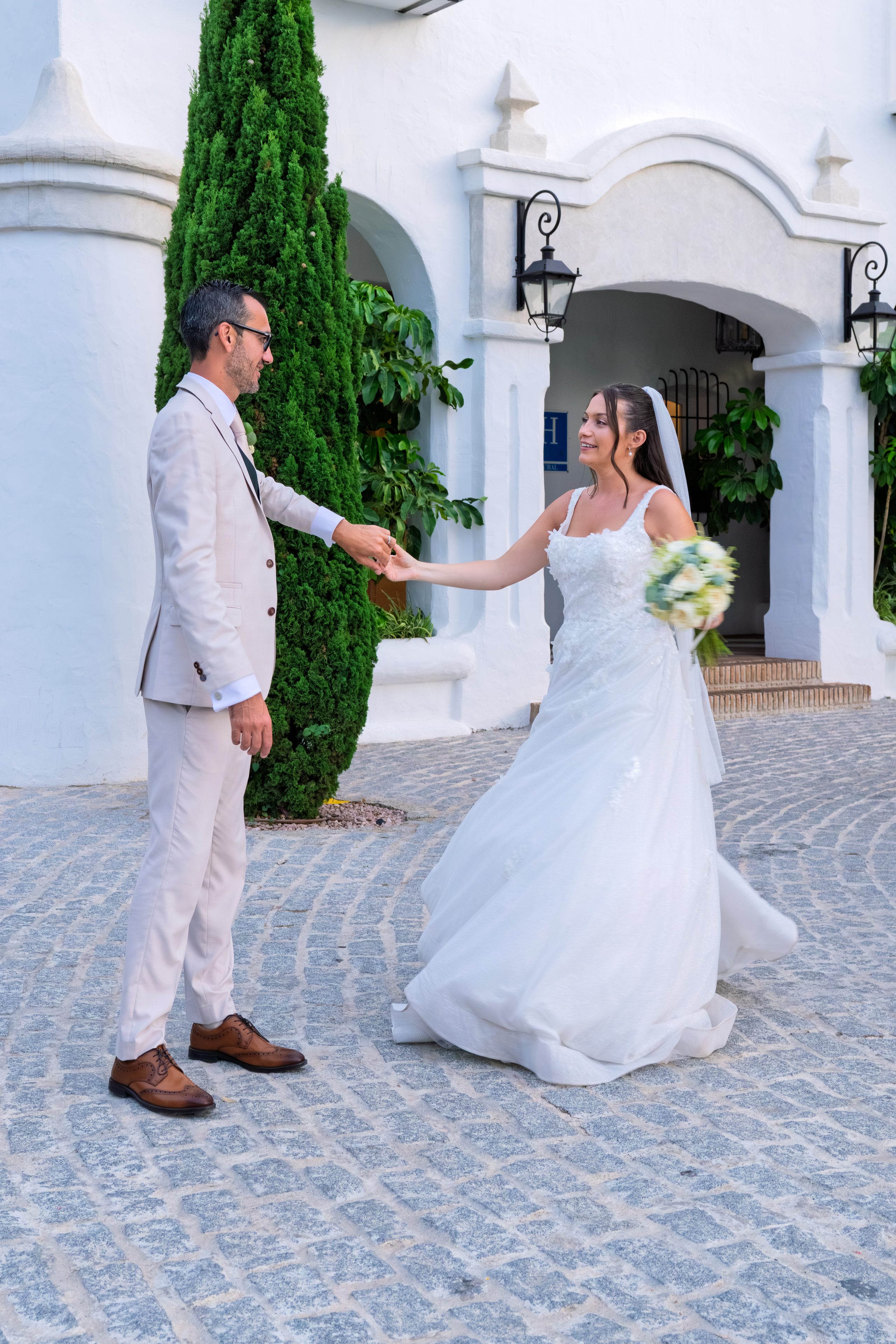
A beach wedding on the Costa Tropical
The coast between Nerja and Salobreña has some of the most beautiful beaches in Andalusia. Here is what a ceremony on one of them really involves — from someone who lives here and planned his own.
The coast between Nerja and Salobreña has some of the most beautiful beaches in Andalusia. Here is what a ceremony on one of them really involves — from someone who lives here and planned his own.
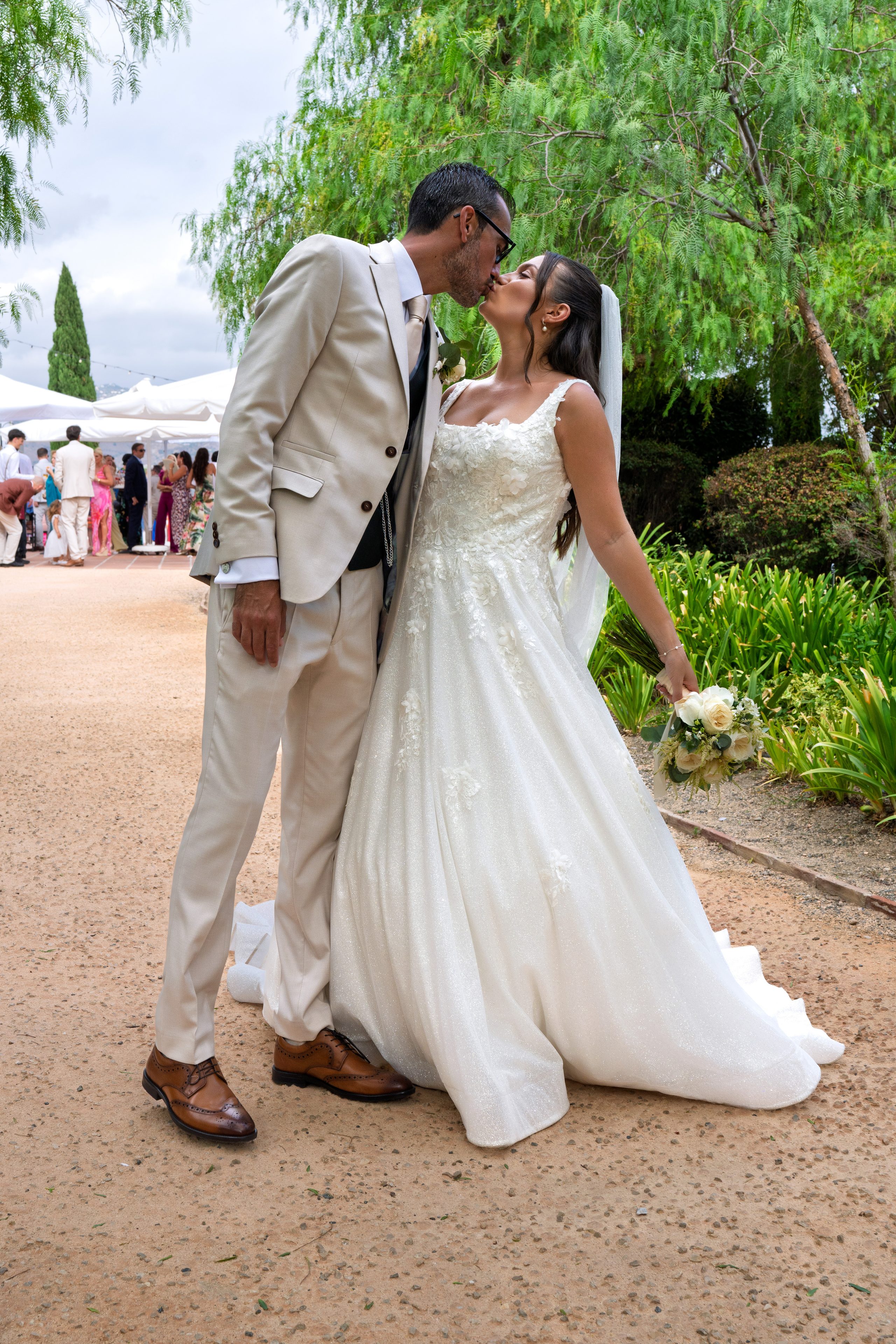
Yes, as a symbolic ceremony. A legal wedding in Spain happens at a registry office, town hall or church, so most couples from abroad marry legally at home and hold the celebration here — see getting married in Spain as a foreign couple.
Beaches in Spain are public land. Walking down to the sea with a few friends and saying your words is one thing; setting up chairs, an arch, a sound system or a table is another, and that needs permission.
Start with the town hall (ayuntamiento) of the town the beach belongs to: Almuñécar for La Herradura and Almuñécar, Salobreña for Salobreña, Nerja for Nerja and Maro. Each town has its own beach rules. Tell them the date, the time, the number of guests and exactly what you want to set up.
For anything bigger than a simple ceremony, the town hall may send you on to the Junta de Andalucía, which authorises temporary use of the shoreline. Ask a few months ahead, not a few weeks.
Some rules are worth knowing before you dream too much. Nerja’s beach rules, for example, give peaceful bathing priority during the bathing season, ban fires and flares on the sand, and allow amplified music only with permission. Sparklers and lanterns on the beach are usually a no.
In July and August the beaches here are full from morning to evening. A quiet cove in May can be wall-to-wall towels in August.
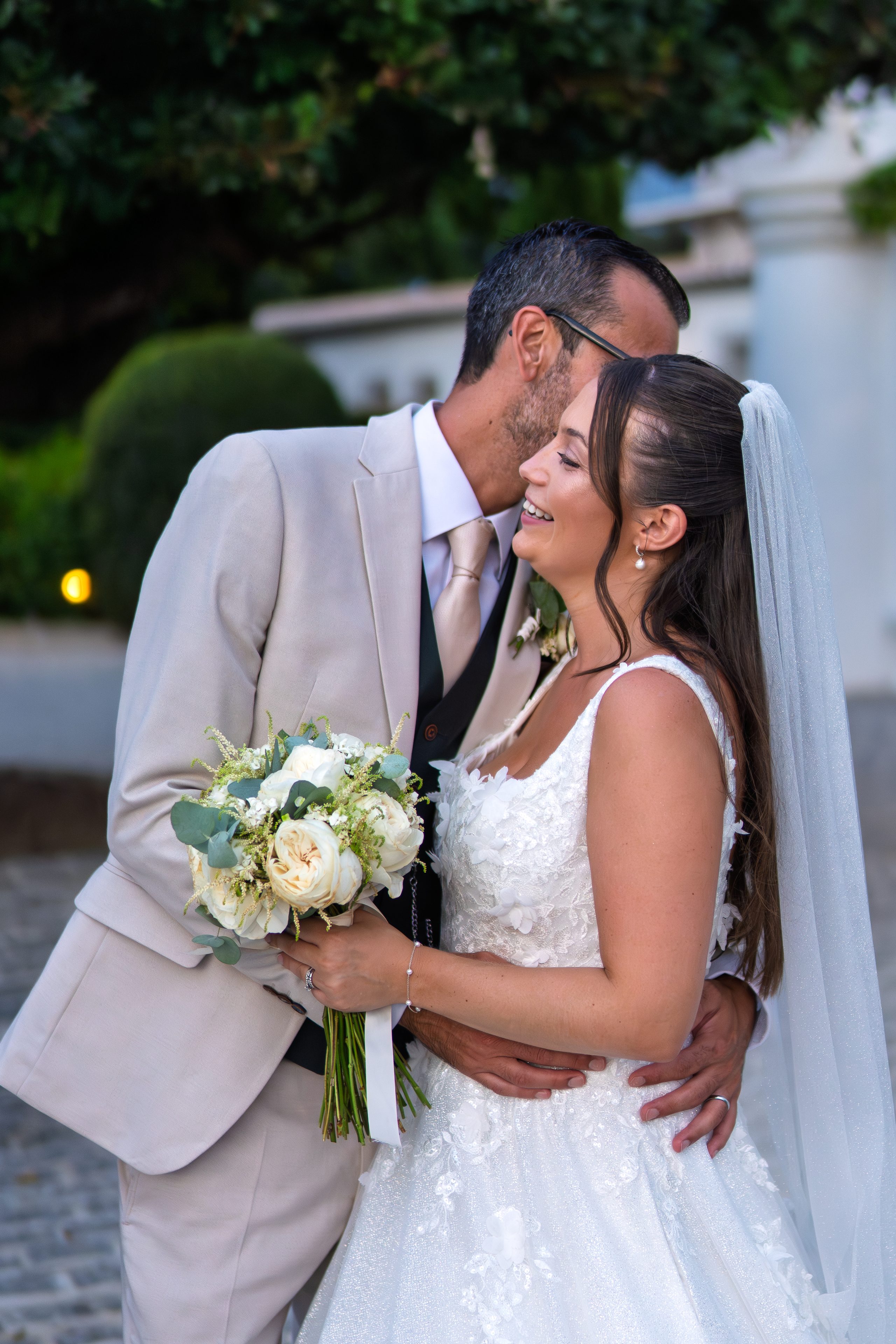
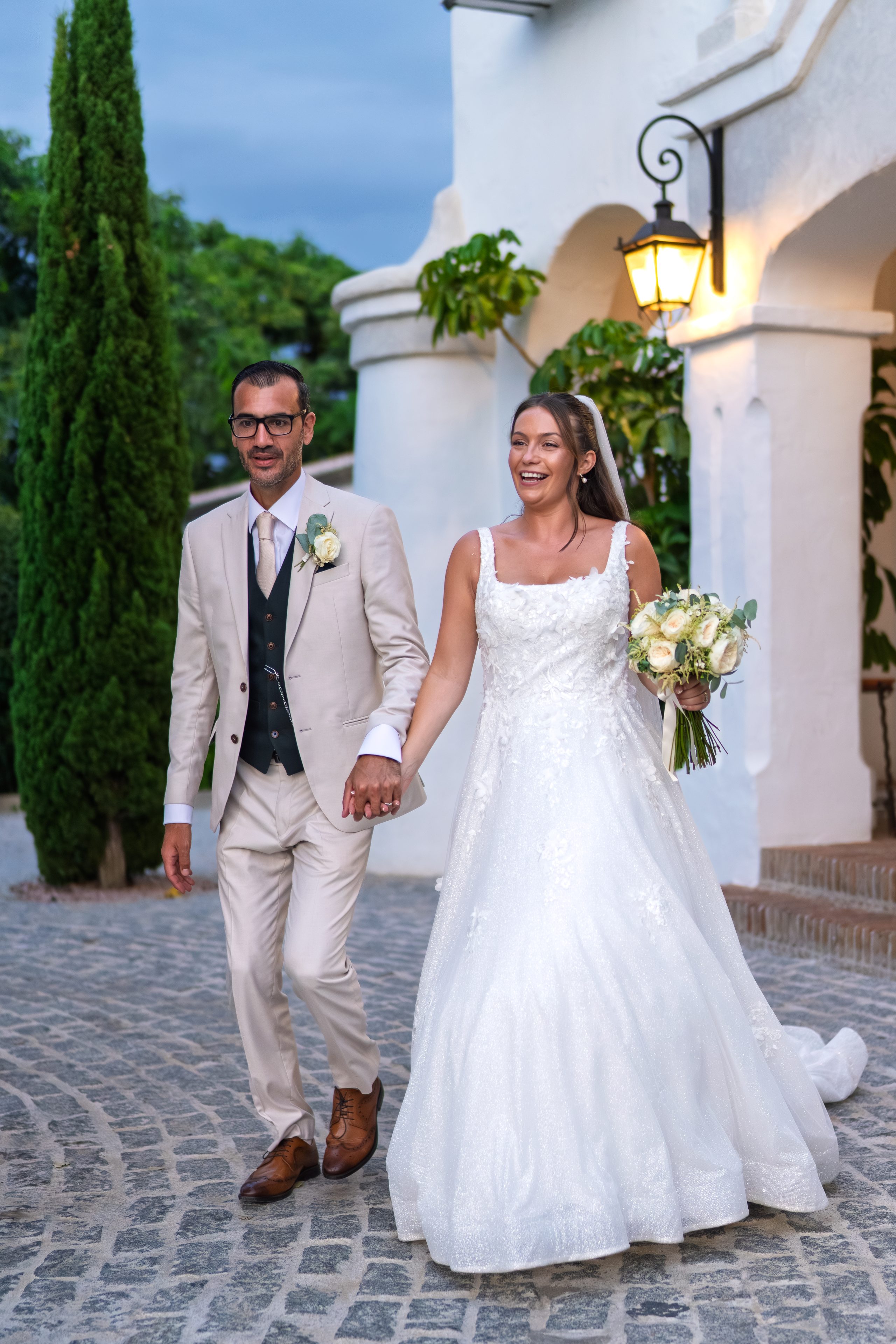
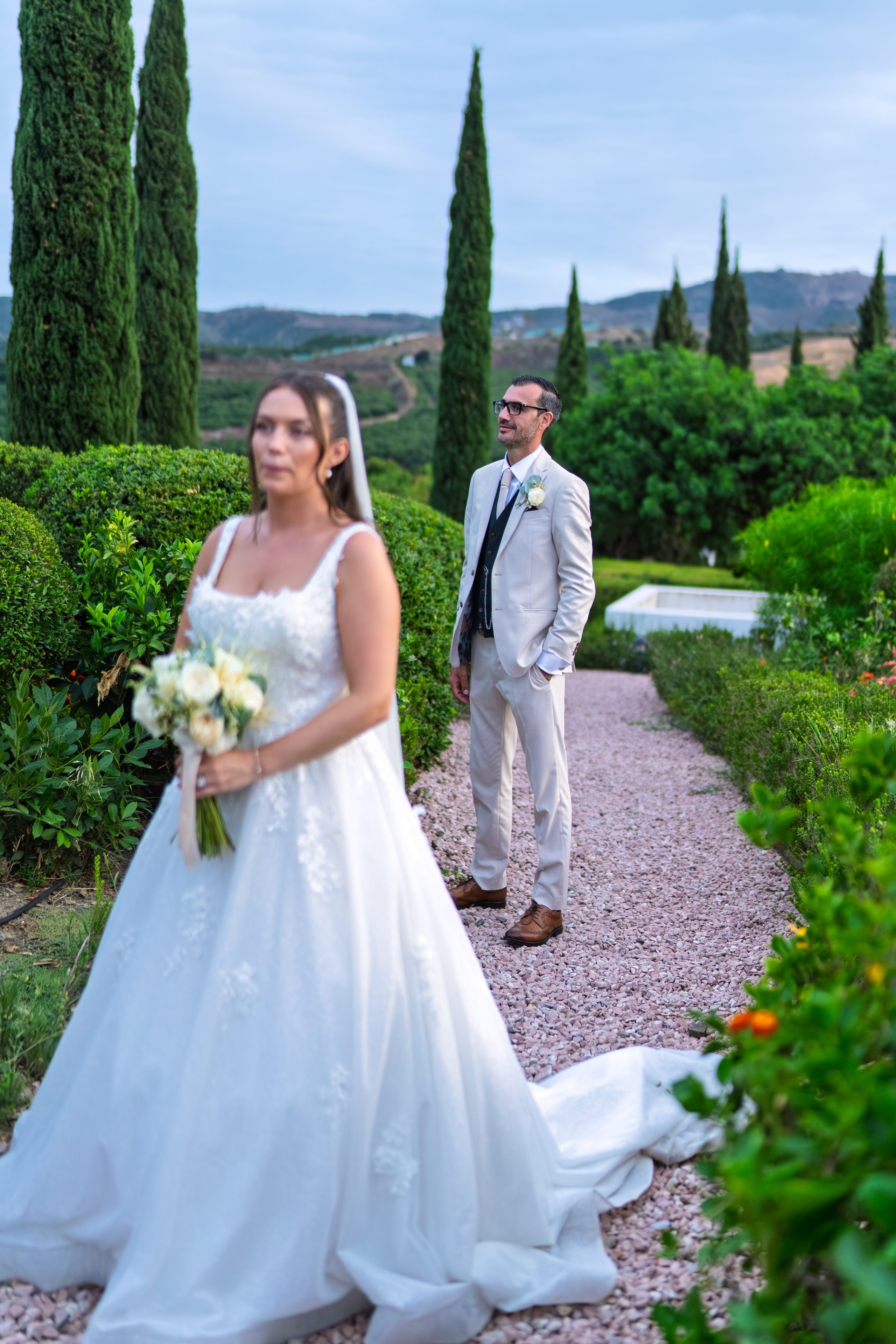
We learned this ourselves. Beata and I planned to marry on Cantarriján beach. When we went to look at it in early September, it was so crowded that we changed our minds and moved the ceremony to Attrévete Cerro Gordo, on the headland above the sea — and we have never regretted it. You can see the day in our wedding album.
June, the second half of September and October are the sweet spot: warm sea, long evenings and far fewer people. See the weather month by month.
Most beaches here are coarse grey sand and pebbles, not fine white sand. Think about shoes, chair legs and whoever has to walk on it in heels.
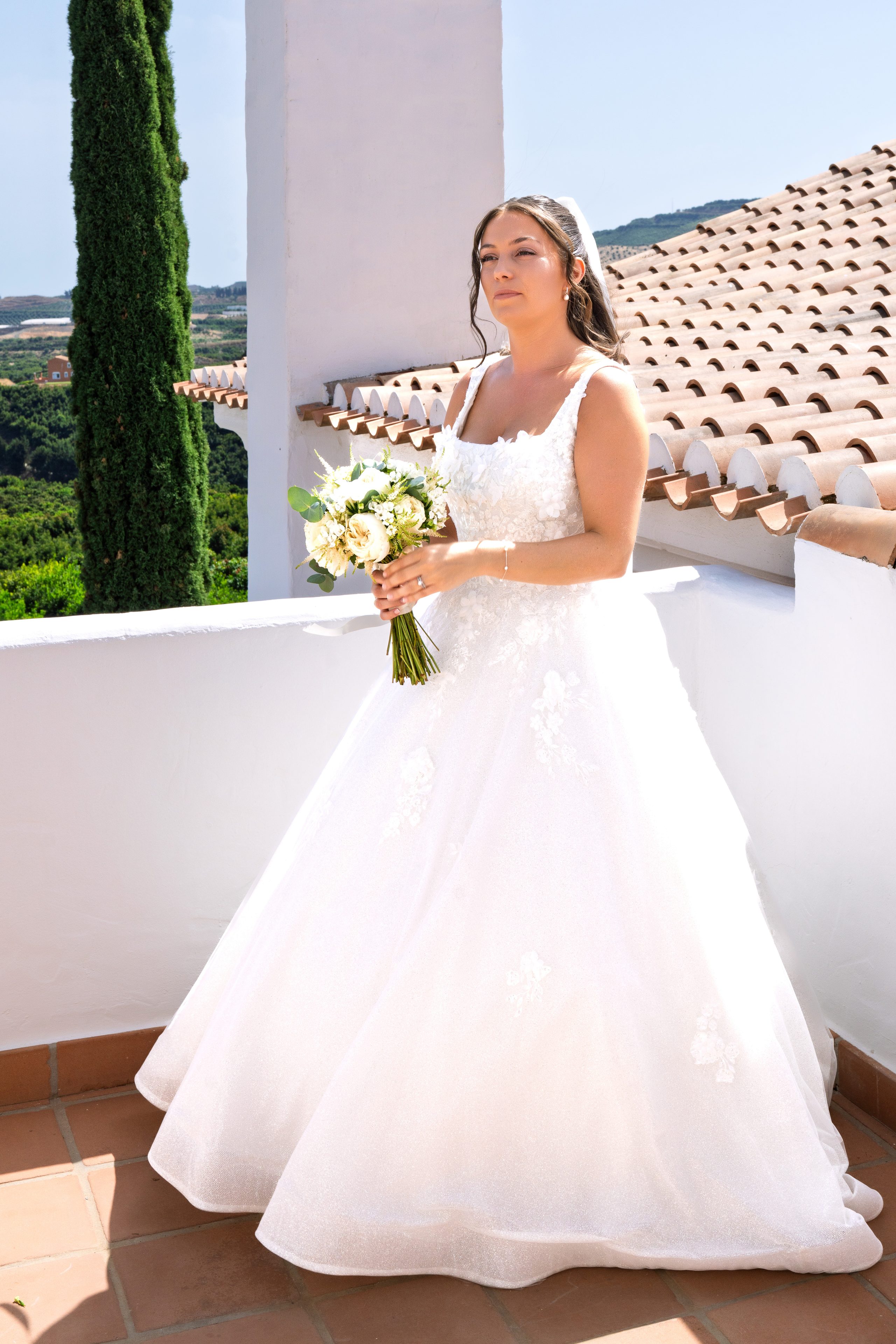
You do not have to stand on the sand to have the sea in every photograph. A restaurant, finca or beach club above the water gives you the view without the permits, the towels or the strangers in the background. Many beach bars (chiringuitos) here also host small ceremonies on their own stretch of beach — ask them what they are allowed to do.

For a ceremony with chairs, an arch, music or decoration, yes — from the town hall the beach belongs to, and sometimes from the Junta de Andalucía. Ask a few months ahead.
Not on its own. Couples usually marry legally at home or at a registry office and hold a symbolic ceremony on the beach.
June, late September and October: warm, long evenings, and far fewer people than in July and August.
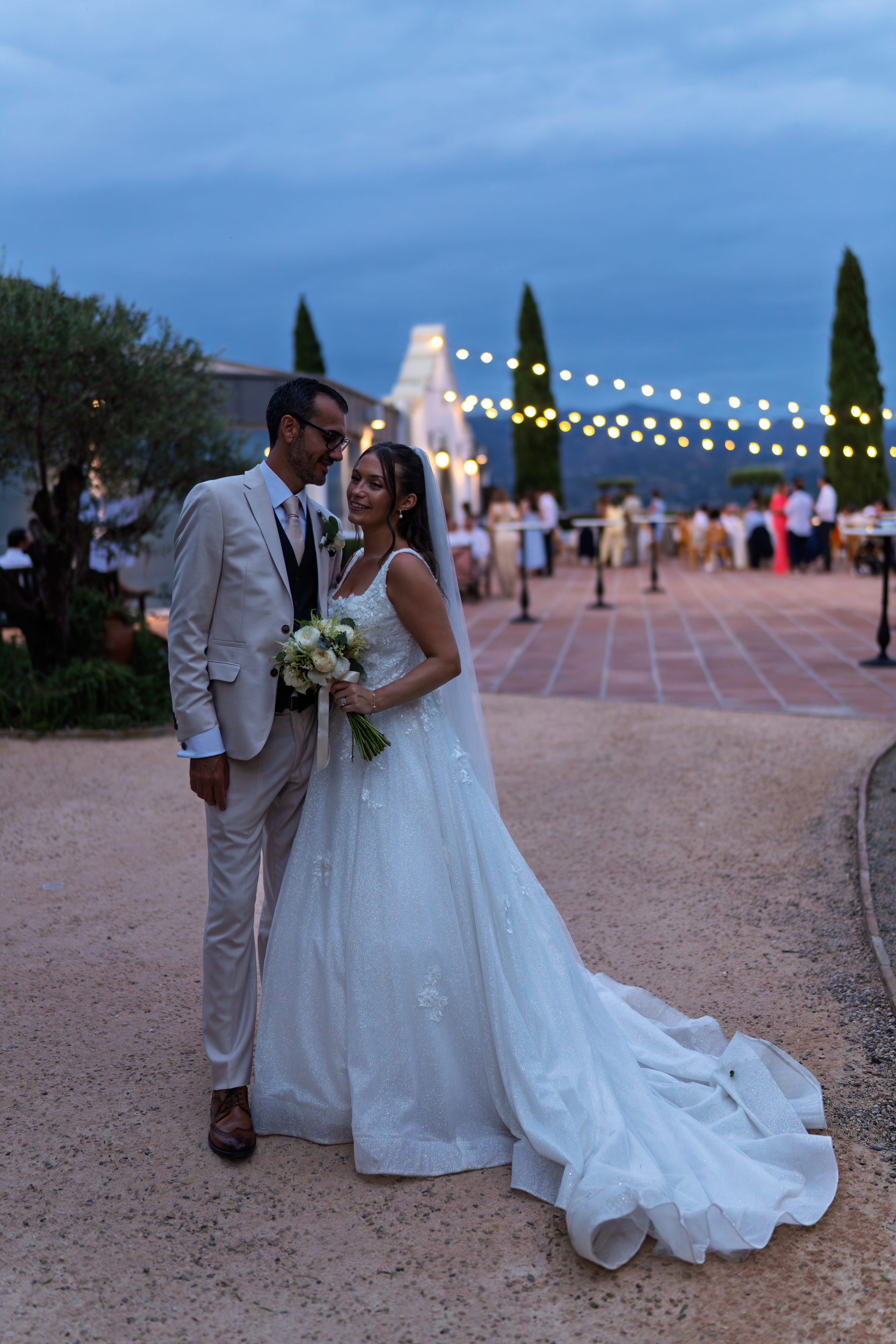
Dates go early for May, June and September. Send the date, the place and the feel you have in mind — I reply as soon as possible, guaranteed.
Share your plans